Operate Run the collection

Know it’s cared for.

The intelligence to connect a collection, the governance to run it, and a digital museum that opens it to the world. Named agents identify, verify, value, and tell the story of every object — inside your governance, on your data. Built for museums first — and any collection with the same need: a private collection, a dealer, a family office.

Intelligence · governance · a digital museum — run by agents, held by you
A collection, handledReady
A wrapped object
A wrapped object
A wrapped object
A wrapped object
✓ Identified · verified · valued · narrateda mixed collection, handled · illustrative
Why now

The collection is invisible — and the knowledge is thinning.

Two problems, one collection. One keeps it hidden. The other means no one is left who can read it.

One · discoverability

No one can find it.

The object sits in dark storage, or it’s trapped in a catalogue system no one outside the office ever opens. A collection no one can see does no work — not for a visitor, a researcher, or a donor.

Two · expertise

No one is left to read it — or tell its story.

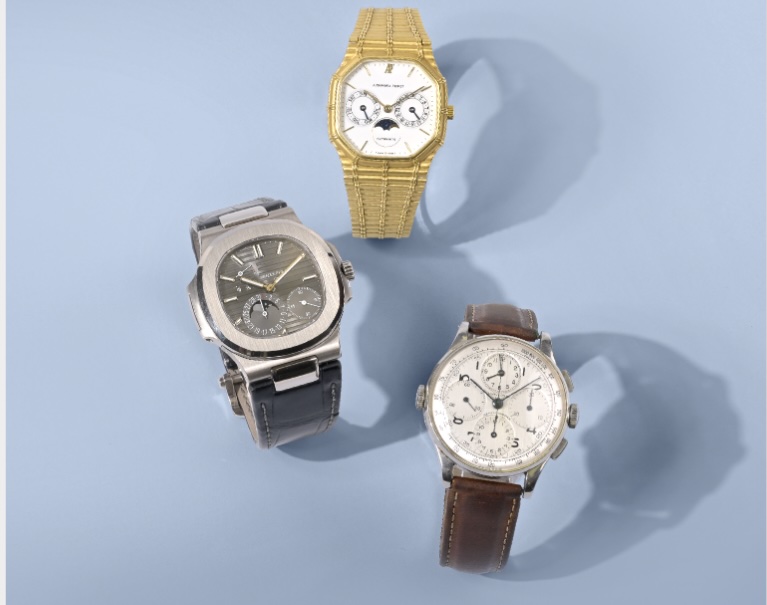
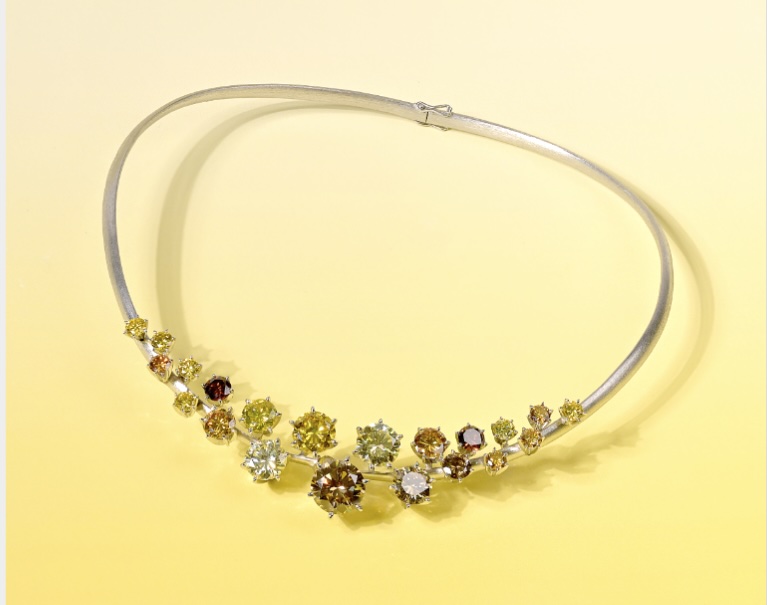
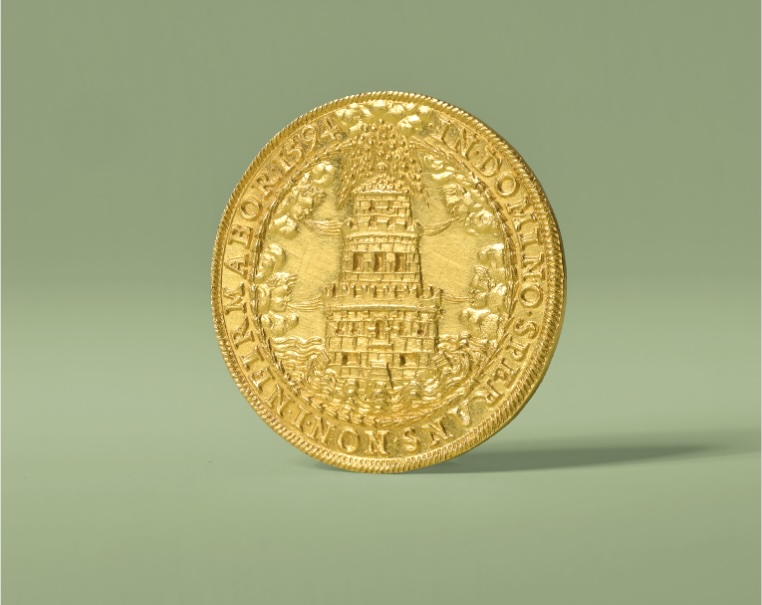
The person who knew every piece is moving on, and the knowledge goes with them. Whoever takes in the next acquisition may never have had it — a painting, a watch, a rare edition arrives, and no one at the desk can place it, let alone tell its story.

When it arrives and no one can place it, the knowledge has already left.

What you get · the intelligence layer

Storage is a commodity. Intelligence is the value.

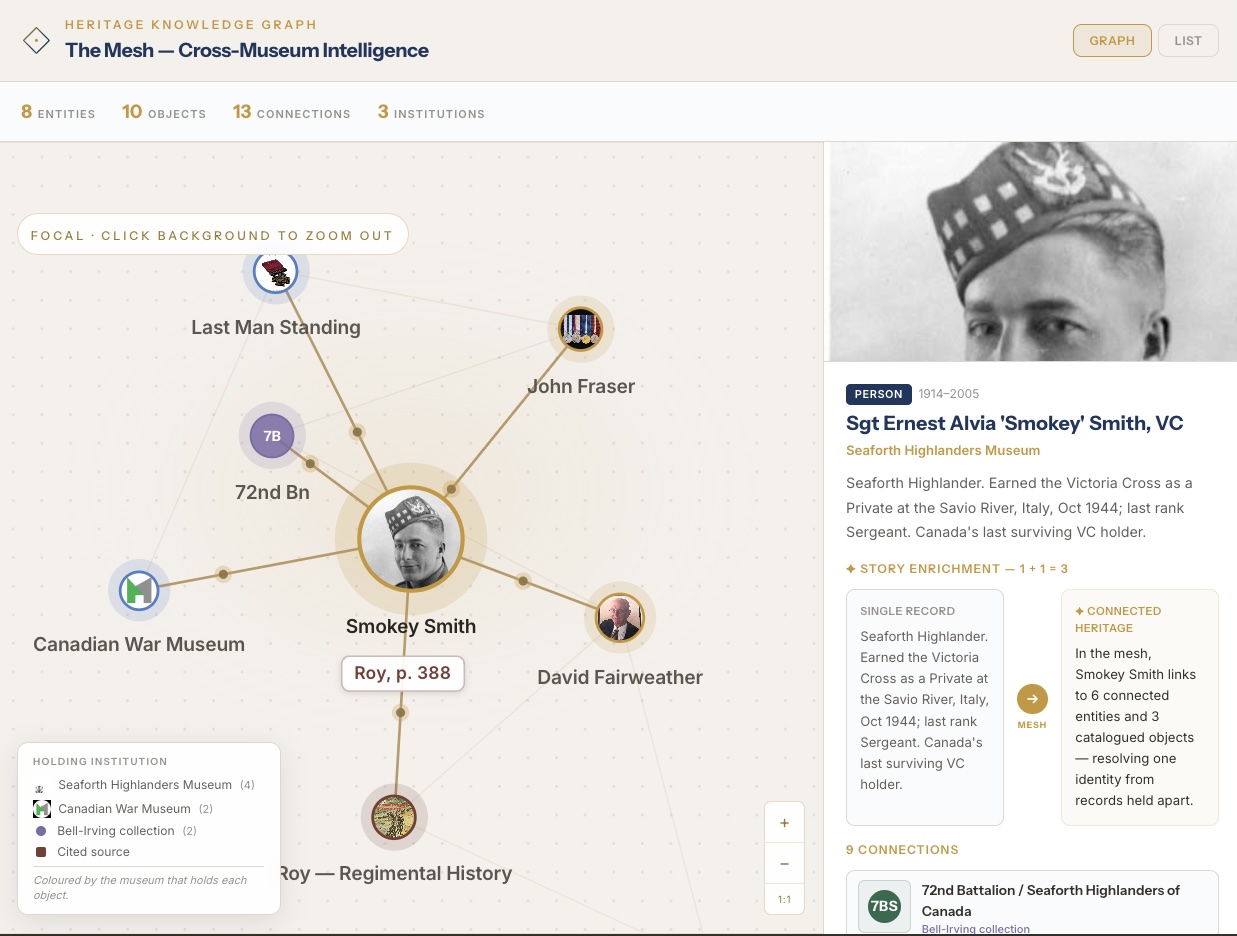
The intelligence is the connection. Every object linked to its maker, its owners, the people and events it touches — and to objects in other collections. Every fact sourced. A catalogue is a list; this is a graph you can follow.

OBJECTMen’s wrist watchMAKERRaymond Weil ✓PROVENANCE3 owners · 1962–PERSONthe first ownerVALUECHF 500–850STORYnarrated · sourcedEVENTa retirement, 1992ANOTHER COLLECTIONa matching reference

One object, connected. Its maker, its provenance, the people and events it touches, its value and its story — and a matching reference in another collection. The list becomes a network you can follow.

How it’s run · governance

Your rules. Your agents. Your sign-off.

A hybrid team runs inside your governance — each agent named, each action logged, versioned and policy-gated. You set the rule once; the same agents run it the same way, every time — and the curator keeps the final say. Nobody is replaced; this is work that wasn’t getting done.

Identifynames the object on arrival
Agent
Verifymaker, period, marks
Agent
Catalogueaccession into your system
Agent
Valuean indicative range
Agent
Storytellerwrites the narrative
Agent
Audita record the board can read
Agent
The curatorthe final say is yours
You
A bequest arrives — the workforce goes to work.
Where it shows · the digital museum

More than a catalogue. A museum that opens.

Every connected object gets a public face online — and a whole platform behind it. Narratives in more than one voice, storytrails, a board dashboard. This is what a museum can’t walk away from.

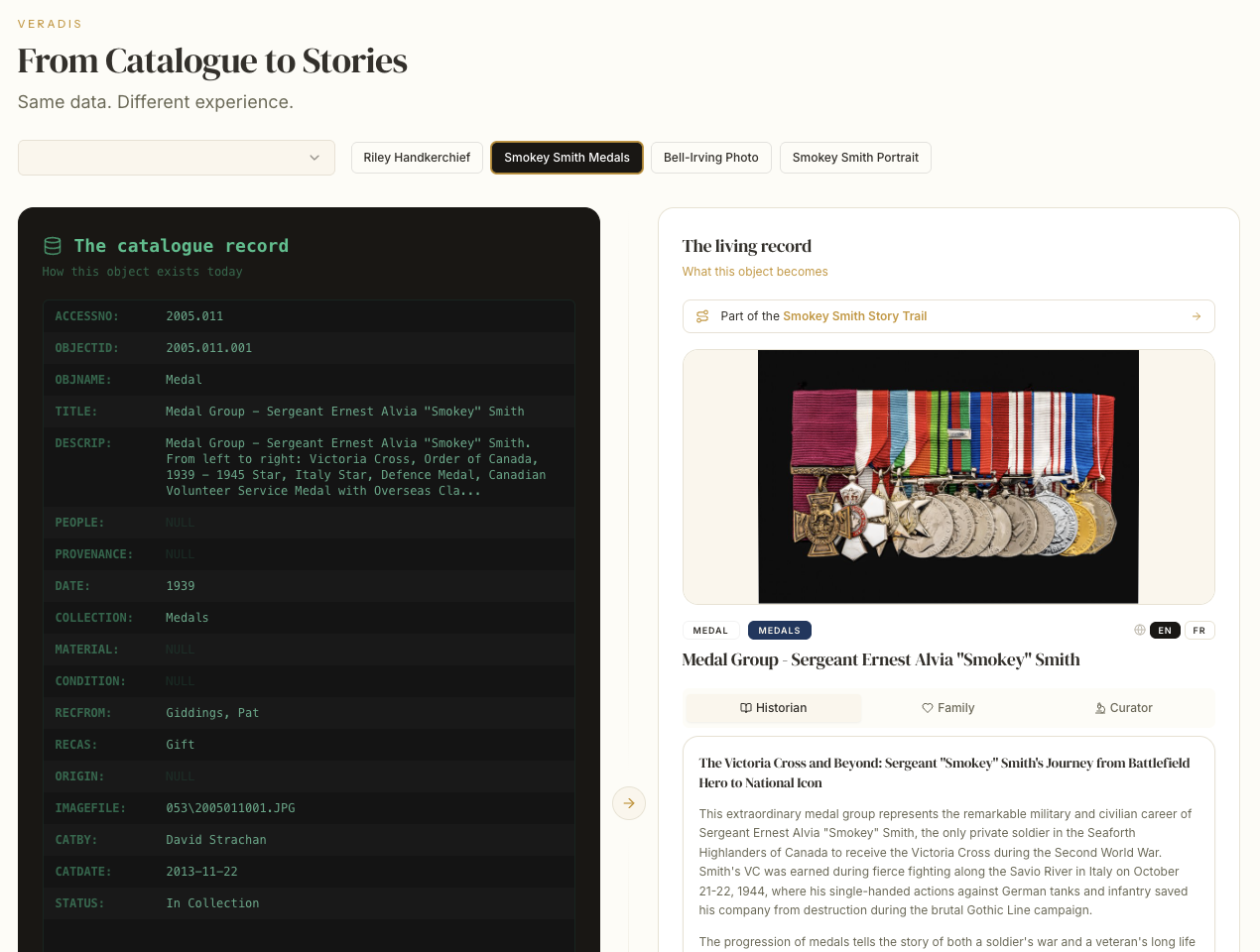
Enrich — a bare catalogue record becomes a sourced, connected, narrated record.
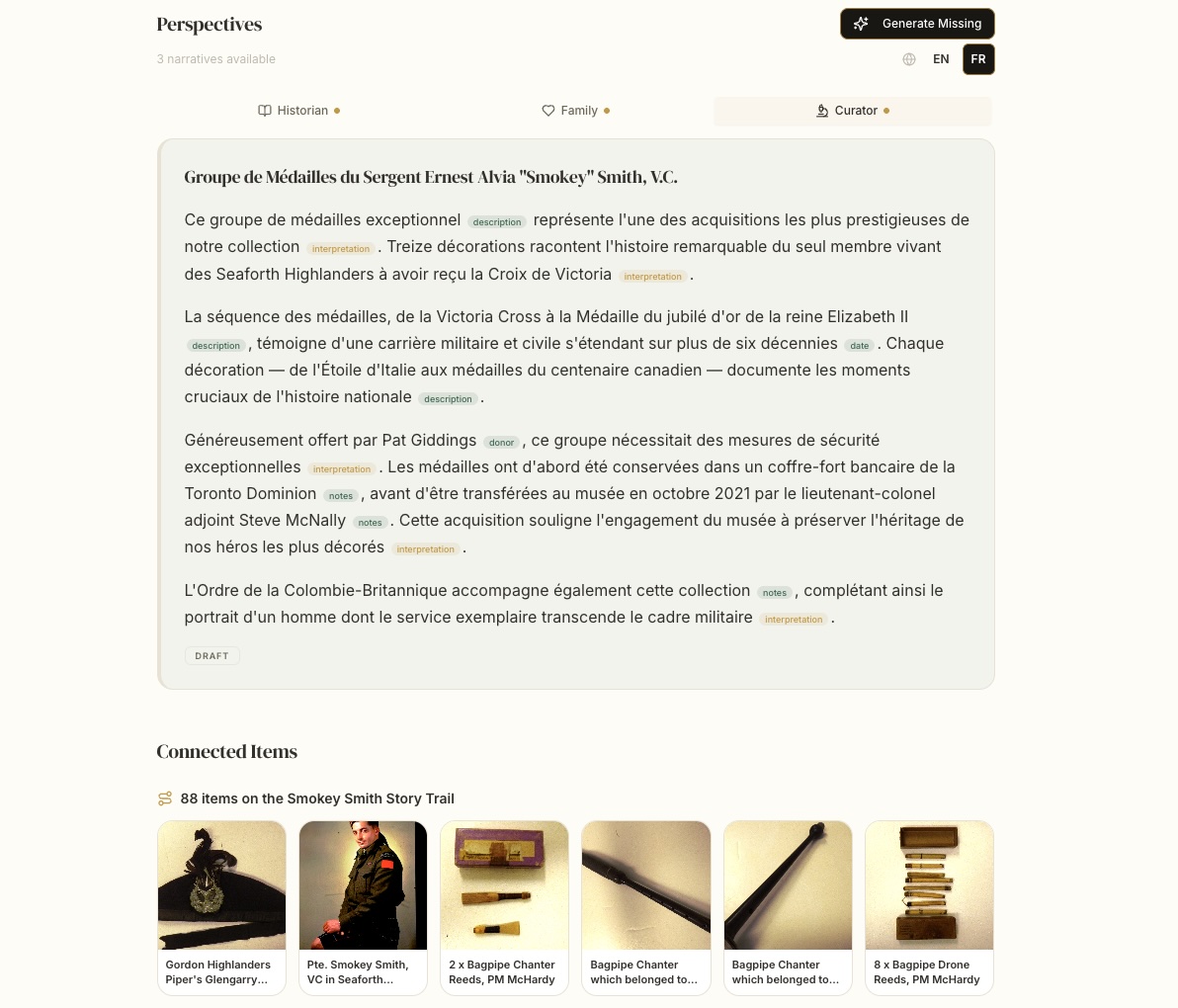
Narratives — historian, family, and curator voices for one object, each sourced.
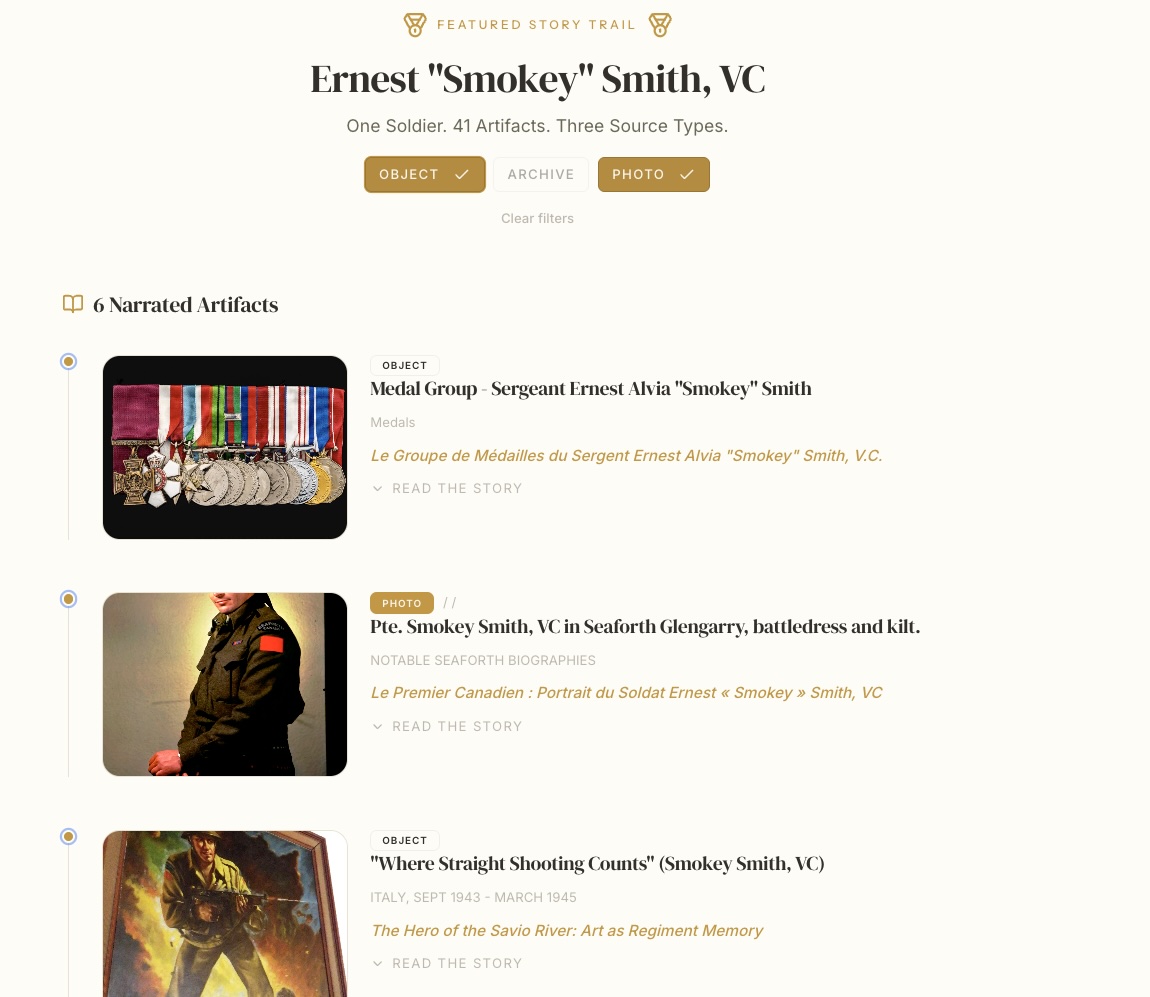
Storytrails — lives and legacies told through the collection's objects.
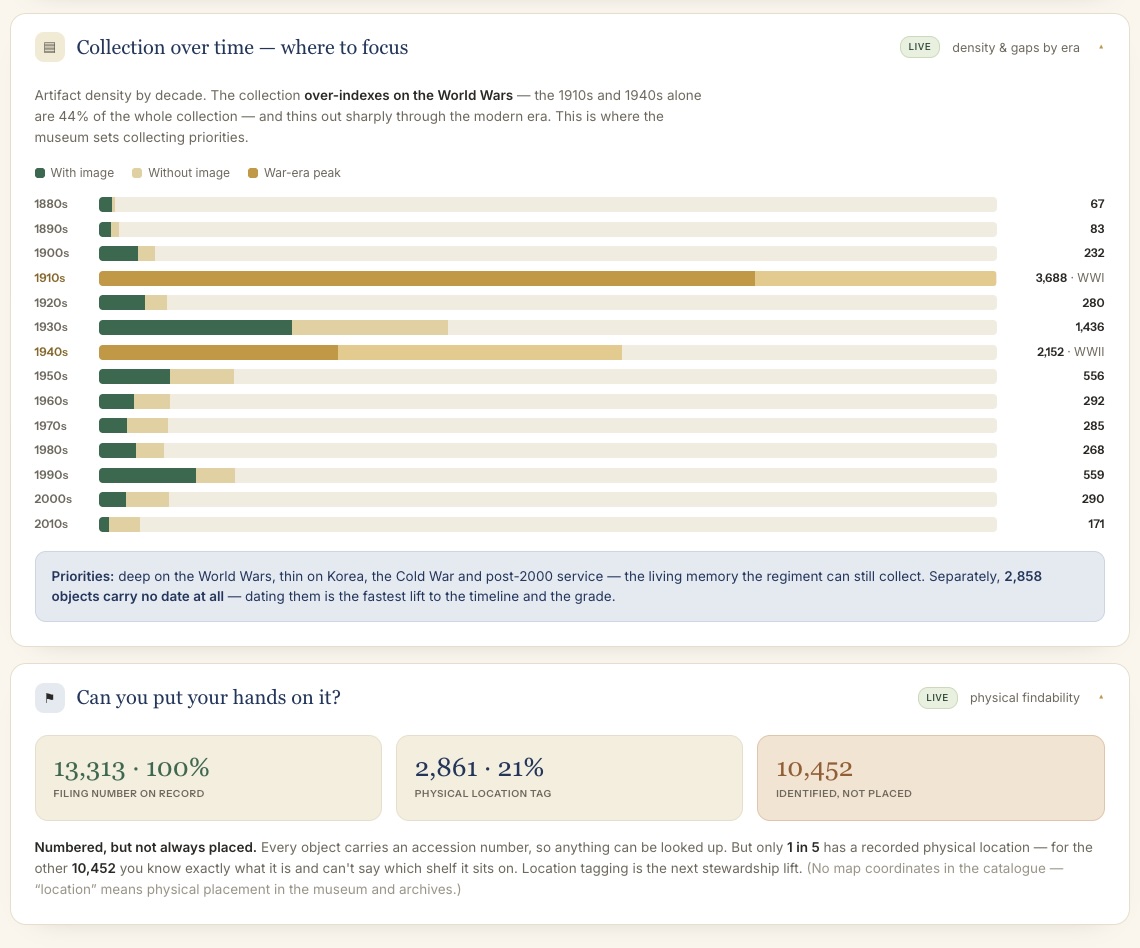
The collection dashboard — coverage, data health, and economics.

Enrich. A bare catalogue line becomes a sourced, connected, narrated record — the enrichment, shown.

Running today

Not a concept. A live collection.

The Seaforth Highlanders Foundation runs its collection on the platform today — the regimental archive connected, enriched, and open. Multiple museums and private collections are on it now, and the objects link across institutions, not just within one.

13'313Seaforth objects · the anchor collection
20'000+objects across the platform
~3'000cross-institutional links
Pricing

The workforce you could never afford.

A hybrid team for a desk you were never going to fully staff — doing the work that isn’t getting done today. Connect a sample to see it run; bring the whole collection on with a one-time integration, then a flat subscription by the size of your collection.

Showing CHF. Prices set in CHF; conversions are indicative.

Community
CHF 150/mo

Small collections — foundations, community museums, single dealers.

100–5'000 objects
Regional
CHF 500/mo

Growing institutions running real volume through the desk.

Most institutions 5'000–100'000 objects
National / Federation
On request

National museums and federations — multi-site scope, priority support.

100'000+ objects
Every plan includes
  • The workforce. The full roster of agents — the same team that runs the desk.
  • Governance. Your rules, versioned and policy-gated — your sign-off on every decision.
  • The digital museum. A public face for every connected object.

Every collection begins with a one-time integration fee — connectors and configuration, grant-fundable. Subscriptions are flat and set by collection size — indicative, and scoped with you. Connect a sample →

Bring your collection in.

Start with a sample. Connect the collection, run it with the workforce, and open the doors — held in your governance, on your data.

Connect a sample A trial, then a subscription by size · one-time integration, grant-fundable · held by you